EEG Testing (Electroencephalogram)


EEG Testing (Electroencephalogram)
Objective Brain Function Assessment After Injury
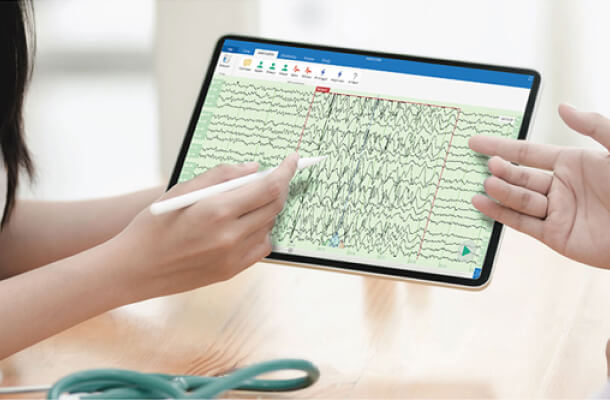
An EEG (Electroencephalogram) is a non-invasive test that records the brain’s electrical activity in real time. Unlike CT or MRI scans, which evaluate brain structure, EEG helps clinicians understand how the brain is functioning electrically.
At Spinal Injury & Pain Recovery (SIPR), EEG testing is commonly used as part of a comprehensive neurologic evaluation following:
- Traumatic Brain Injury (TBI)
- Concussion
- Post-accident neurologic symptoms
- Episodes of altered awareness
- Seizure-like activity or unexplained spells
- Persistent cognitive or neurologic complaints
EEG findings are interpreted within the full clinical context — including history, examination findings, imaging studies, medications, sleep state, and symptom patterns.
How EEG Supports Evaluation of Traumatic Brain Injury (TBI)
Electroencephalography (EEG) provides a direct, real-time assessment of cerebral function by measuring the brain’s electrical activity. Unlike CT or MRI, which evaluate brain structure, EEG measures brain function at the neuronal level.
In traumatic brain injury (TBI), especially mild TBI or concussion, structural imaging may appear normal while significant functional disruption of cortical networks persists. EEG is uniquely positioned to detect these functional abnormalities.
EEG may identify objective electrophysiological findings such as:
- Focal or diffuse slowing of brain-wave activity
- Interhemispheric asymmetry between brain regions
- Epileptiform discharges or seizure activity
- Alterations in electrical network connectivity
These findings can reflect impaired neuronal signaling and functional brain injury, even when structural imaging does not demonstrate visible damage.
In appropriate clinical contexts, EEG can help document measurable brain dysfunction, support diagnostic assessment, guide treatment decisions, and assist in rehabilitation planning.
EEG does not independently confirm or exclude a concussion. It is interpreted as one component of a comprehensive neurologic evaluation that may include clinical examination, symptom history, imaging, and neurocognitive assessment.
When integrated properly, EEG strengthens diagnostic clarity, assists with seizure risk assessment, supports individualized management strategies, and provides objective, data-driven documentation for both medical and medico-legal purposes.
For patients involved in personal injury cases, EEG findings are documented in a clear, medically appropriate manner that aligns clinical observations with objective electrophysiological data. This helps ensure accurate medical reporting without overstating conclusions beyond what the data supports.
The Technology We Use
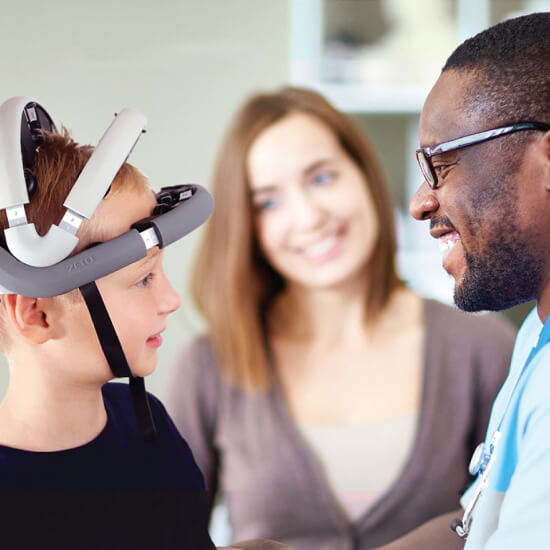
SIPR utilizes the Zeto WR-19 wireless dry-electrode EEG system.
Designed for Clinical Efficiency
- Wireless and portable
- No glue or conductive paste
- No scalp abrasion
- Soft-tip dry electrodes designed for patient comfort
- Streamlined setup to support timely testing in real-world clinical environments
Focused on Signal Quality
The system incorporates manufacturer-described Active Electrode Technology (AET) and Dynamic Noise Cancellation (DNC) to support high-quality recordings in real-world clinical environments.
FDA-Cleared (510(k))
The Zeto WR-19 is FDA-cleared for its intended diagnostic uses. FDA clearance indicates regulatory clearance of the device and does not guarantee clinical outcomes.
Why an EEG May Be Ordered
EEG testing may be used to support evaluation of neurologic symptoms and conditions such as:
- Traumatic brain injury (TBI) and concussion (as part of a comprehensive evaluation)
- Seizure-like episodes or unexplained spells
- Episodes of confusion, altered awareness, or “blanking out”
- Abnormal movements or staring spells
- Sleep-related neurologic concerns (when clinically indicated)
- Medication management support (case dependent)
- Follow-up testing for known seizure disorders
- Additional neurologic workups as directed by your clinician
- Documentation support when medically indicated
If testing is related to a personal injury claim, documentation is prepared in a medically appropriate and objective manner consistent with clinical indications and the data recorded.

What to Expect During Your EEG Visit
Before the Test
- Arrive with clean, dry hair
- Avoid heavy styling products if possible
- Bring a current medication list
- Bring relevant medical records if available
- We’ll review symptoms and the reason for testing
During the Test
- A lightweight headset is positioned comfortably and checked for good contact
- You’ll be asked to relax quietly while we record brain activity
- Signal quality is monitored throughout the recording
- Activation procedures (such as deep breathing or light stimulation) may be used if clinically indicated
After the Test
- There is typically no downtime — you can usually resume normal activity unless your clinician advises otherwise
- Results are reviewed and interpreted by a qualified clinician in the context of your case
Important Clinical Note
EEG is always interpreted clinically — meaning results depend on symptoms, medications, sleep state, and other medical factors.
Brain-wave patterns can be influenced by:
- Medications and supplements
- Sleep deprivation or sleep state
- Stress and pain
- Metabolic factors
- Prior neurologic conditions
No EEG system can “diagnose everything” on its own. EEG is one component of a comprehensive neurologic evaluation.
Our Approach at SIPR
Our goal is to make EEG access easier without compromising medical standards.
We focus on:
- Objective data collection
- Clinically appropriate interpretation
- Clear, medically appropriate documentation
- Integration with the broader neurologic evaluation
EEG Frequently Asked Questions
Is EEG painful?
No. EEG is non-invasive and does not deliver electricity to the brain. It simply records existing electrical activity.
Will an EEG always show an abnormality?
No. Some patients with neurologic symptoms may have normal EEG findings. Results are interpreted within the full clinical context.
How long does the test take?
Most routine EEG studies take approximately 20–40 minutes, depending on the clinical indication and the ordering clinician’s protocol.
Can attorneys or insurers request EEG records?
Records may be released in accordance with applicable privacy laws and proper authorization.
Ready to Schedule an EEG?
If you have experienced a head injury or are experiencing neurologic symptoms, contact our team to determine whether EEG testing is appropriate for your situation.
Let Us Support Your Recovery
At Spinal Injury And Pain Recovery, LLC, we provide compassionate, specialized care for individuals of all ages. Our range of personal injury health services ensures clients receive the attention and expertise they deserve. Contact us today to learn how we can assist you in your recovery journey.